
FPVCycle Cavity Series Motor 4012 - 1020kV - AI optimized design
Choose options
FPVCYCLE • Cavity Series • Brushless Motor
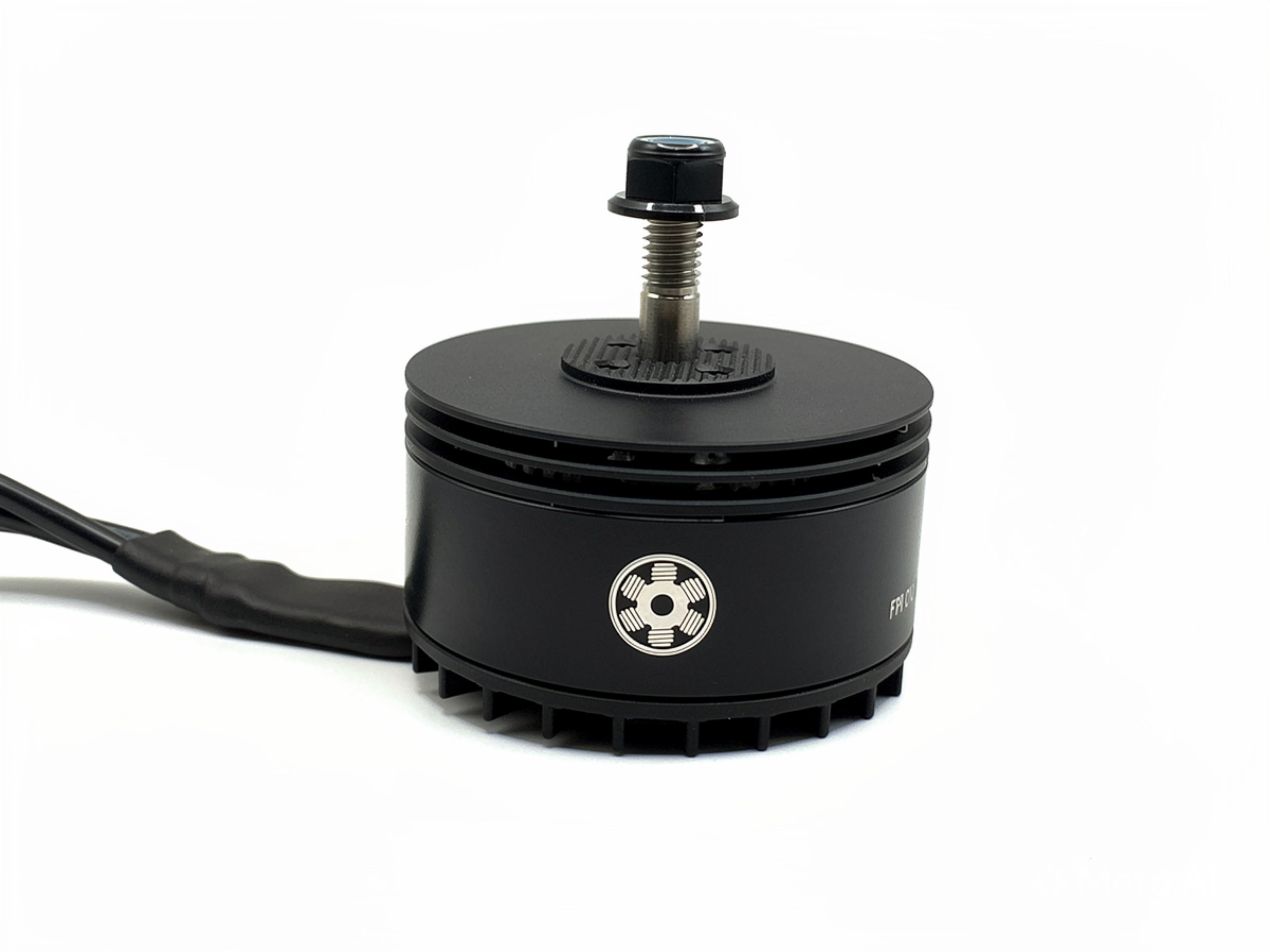
Cavity 4012
1020KV • 6S • 9–10" Props • AI-Optimized Design
"Named after a hole. Performs like it has none. The 3215 finally grew up, moved outward, and got a better job."
Two AIs, and a Hollow Idea
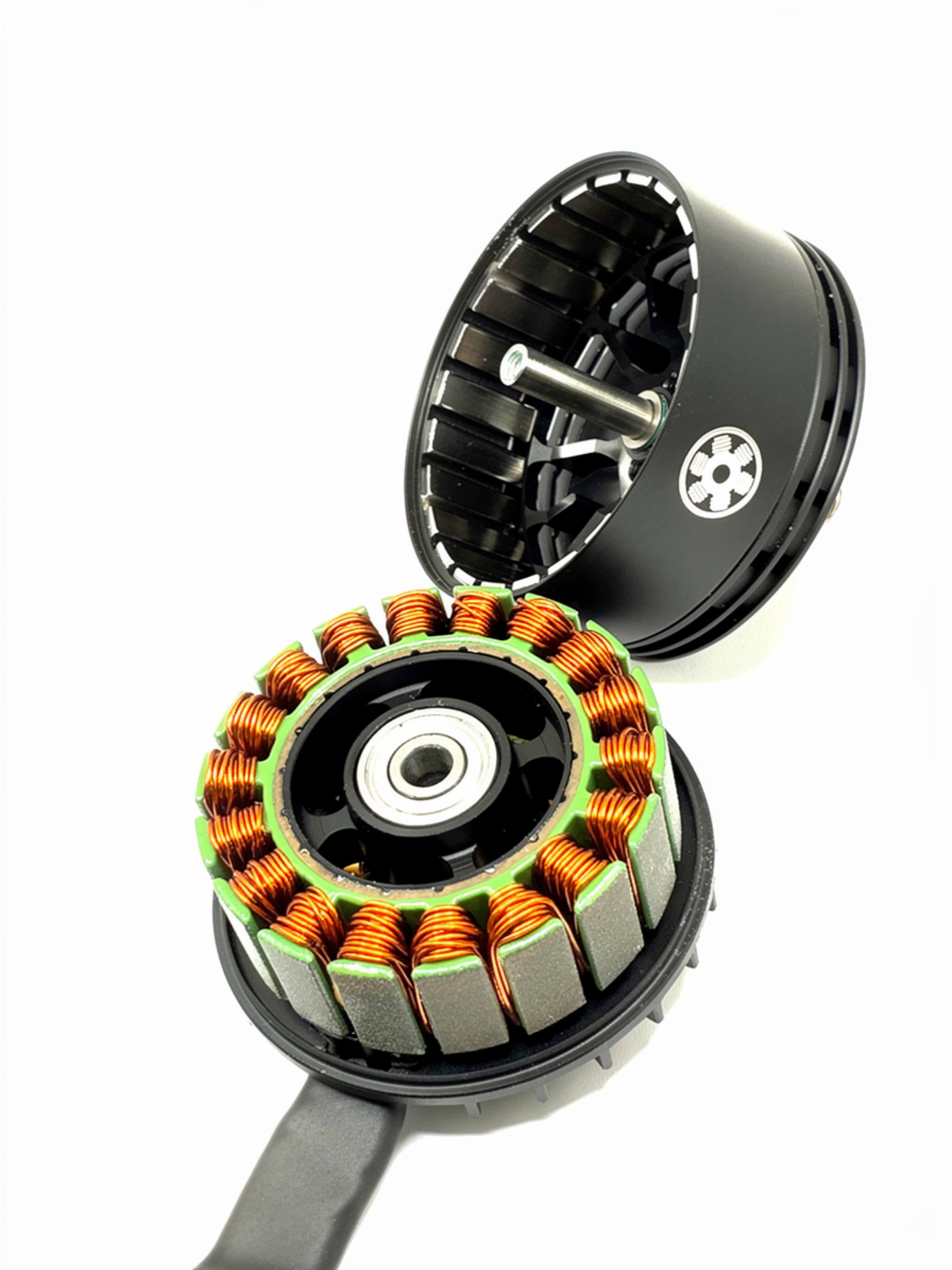
FPVCycle has a thing for dental nomenclature. The Incisor frame. The Molar, Glide Floss, and Toothpick Frames. So when a new motor concept emerged with a notably hollow center stator - wide on the outside, empty in the middle - the name wrote itself. The Cavity.
The Cavity 4012 started as a question, how do you make a motor for a corporate client that doesn't want to pay for R&D. AI is the answer...but also not. AI loves to conjure all sorts of random stuff but we need it to work within the real constraints of how brushless motors are actually manufactured. Existing winding techniques, standard stator lamination processes, proven bell construction. The AI's job wasn't to invent a new motor; it was to find the best motor that could be built with the methods that already exist. Think of it less as "AI-designed" and more as AI-optimized within human-defined real-world constraints - the same way a good engineer would approach it, just faster and with better math at 2 AM.
The clients need was an efficient motor for running 9"-10" props that still has good performance. 3215 is the workhorse for 9"-10" on 6S, but its geometry is fundamentally a tall, narrow stator - efficient at filling a spec sheet, less efficient at actually producing torque. So keep the same general stator volume but redistributed it outward, the way physics actually prefers? Anyway, the AI, both of them, said move it to a 40* diameter with 32 length poles. (In fact it's a bit shorter than 32 length...for physics reasons we cannot comprehend but AI can in a very much 'trust me bro' style.)
Given the limitations of manufacturing and how the proportions of the stator could be distributed, the 40*09 stator was evaluated first and found technically sufficient. The AI pushed to 40*12 for a meaningful performance gain with a negligible efficiency penalty - the kind of judgment call that takes a human engineer an afternoon of spreadsheet wrestling and takes an AI about four seconds. We agreed and here we are. There were a few other requirements for the customer such as a 'sealed' motor but otherwise, this thing performed so well that we decided to carry a small batch ourselves to see what others have to say.
Why 40mm* Diameter matters
The 3215 stator is 32mm across and 15mm tall. The Cavity 4012 is 40mm across and 12mm tall. On paper, these look like a mild reshuffle. In practice, they represent a fundamentally different approach to making torque.
Torque in a brushless motor is generated at the air gap between stator and rotor - and the further that gap sits from the center axis, the more leverage it has. Going from a 16mm radius to a 20mm radius increases that moment arm by 25%. Every amp of current you push through the windings now does more rotational work than it did in the 3215. The total stator volume of the 4012 is roughly 25% greater than the 3215, which means more copper, more magnetic material, and a wider thermal footprint to spread heat across.
Meanwhile, the shorter 12mm stack height means each individual winding turn is physically shorter - less copper per turn, lower resistance per turn, less heat generated per amp. The motor is simultaneously bigger where it counts and leaner where it doesn't. That's the whole trick.
What the Math Says. What the Field Confirmed.
At 1020KV on 6S (22.2V nominal), the Cavity 4012 spins to roughly 22,600 RPM unloaded. Under a real 9" or 10" prop at flight throttle, loaded RPM settles in the 18,000–20,000 range - right in the efficiency band where props of this diameter do their best work. Peak thrust sits between 2.5 and 3.5kg per motor depending on prop pitch, making this perfectly matched to builds in the 5–7kg AUW class. (this 'math' section was entirely written by AI, not real world verified)
The AI predicted this. Testing confirmed it as best we could. We were quiet impressed at just how accurate the AI's were.
⚡ Torque Output
The wider 40mm stator delivers more torque per amp than any 32mm motor at equivalent stack height. Longer moment arm, more useful work from every watt.
🎯 Throttle Character
1020KV is above the pure efficiency peak - by design. Spin-up is fast, corrections are crisp, and the throttle band is wide. This is a performance motor that happens to be efficient, not the other way around.
🔥 Thermal Behavior
Shorter winding paths mean lower copper resistance. Combined with active impeller cooling, heat stays in check even under sustained high-throttle loads.
🛸 Prop Compatibility
Optimized for 9" and 10" props on 6S. Loaded RPM falls natively into the efficiency window - no prop compromise, no fighting the power curve.
The Sealed Bell — Because Nobody Wants a Stick in Their Motor
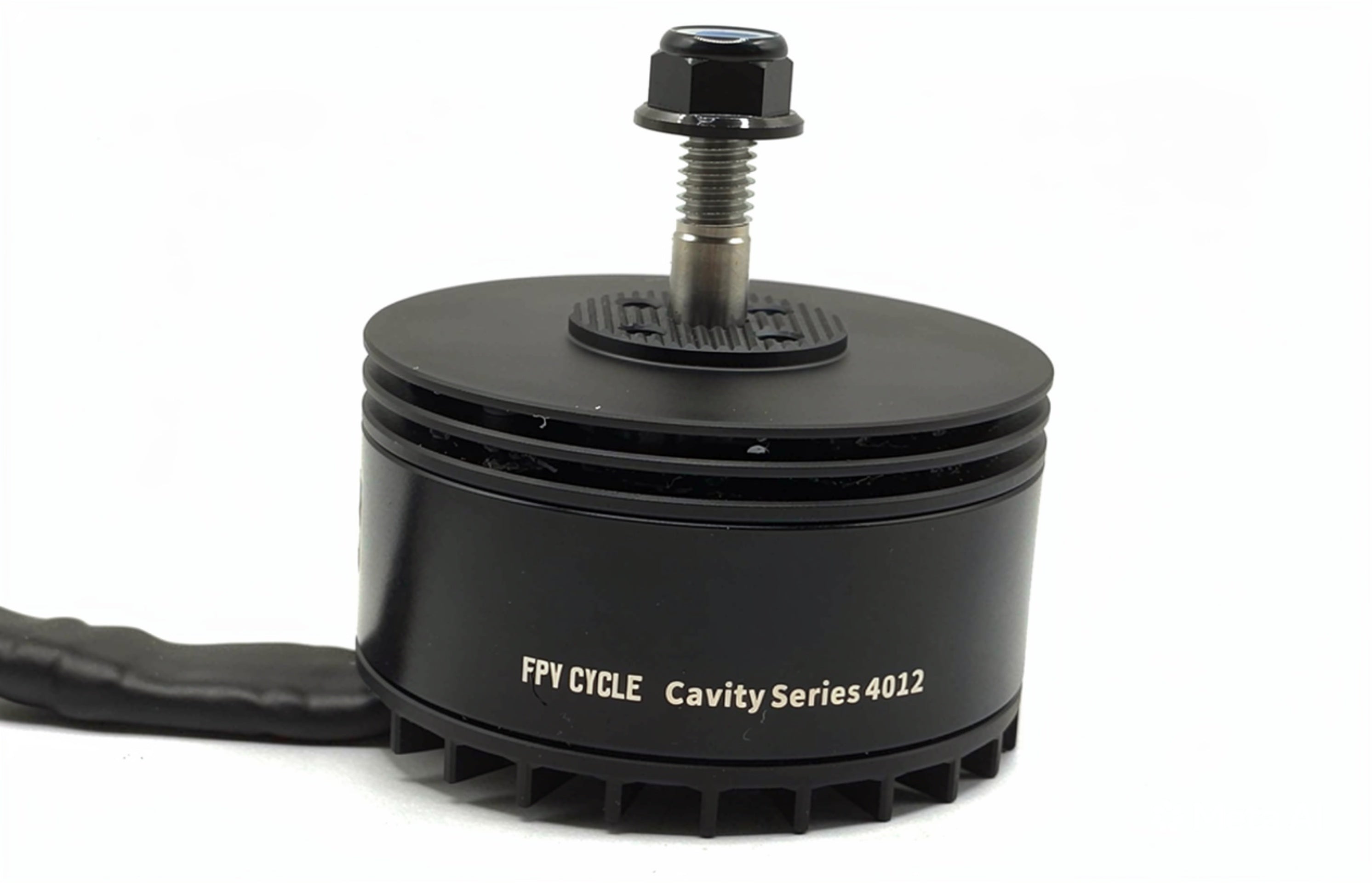
Motors don't often fail from dirt and debris - but they can, and it's always annoying when they do. The Cavity's bell housing is machined with a near-zero gap between bell and base. Sticks, gravel, and miscellaneous field debris simply can't find a way in.
Motor weight is ~125g, comparable to a 3215
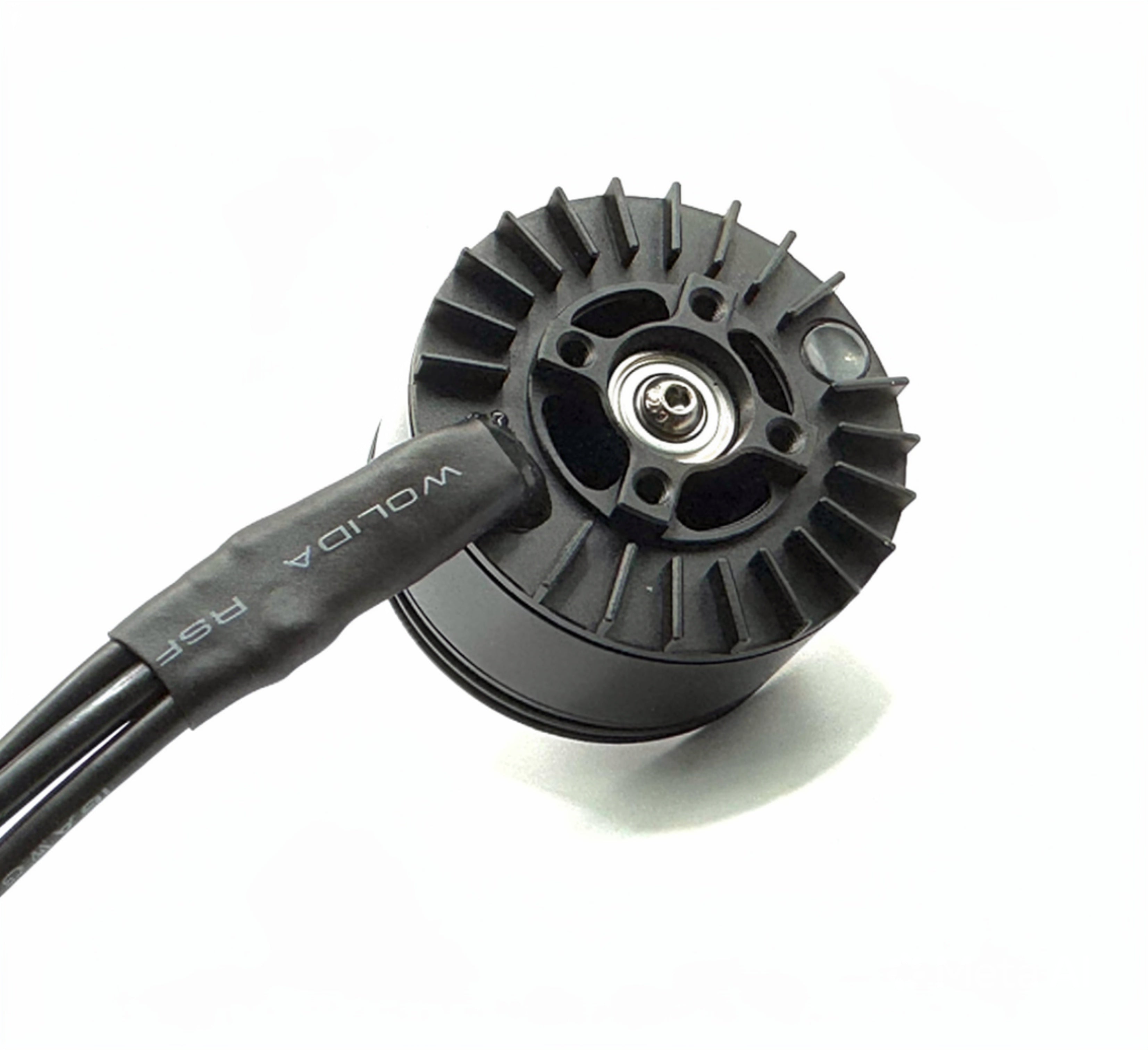
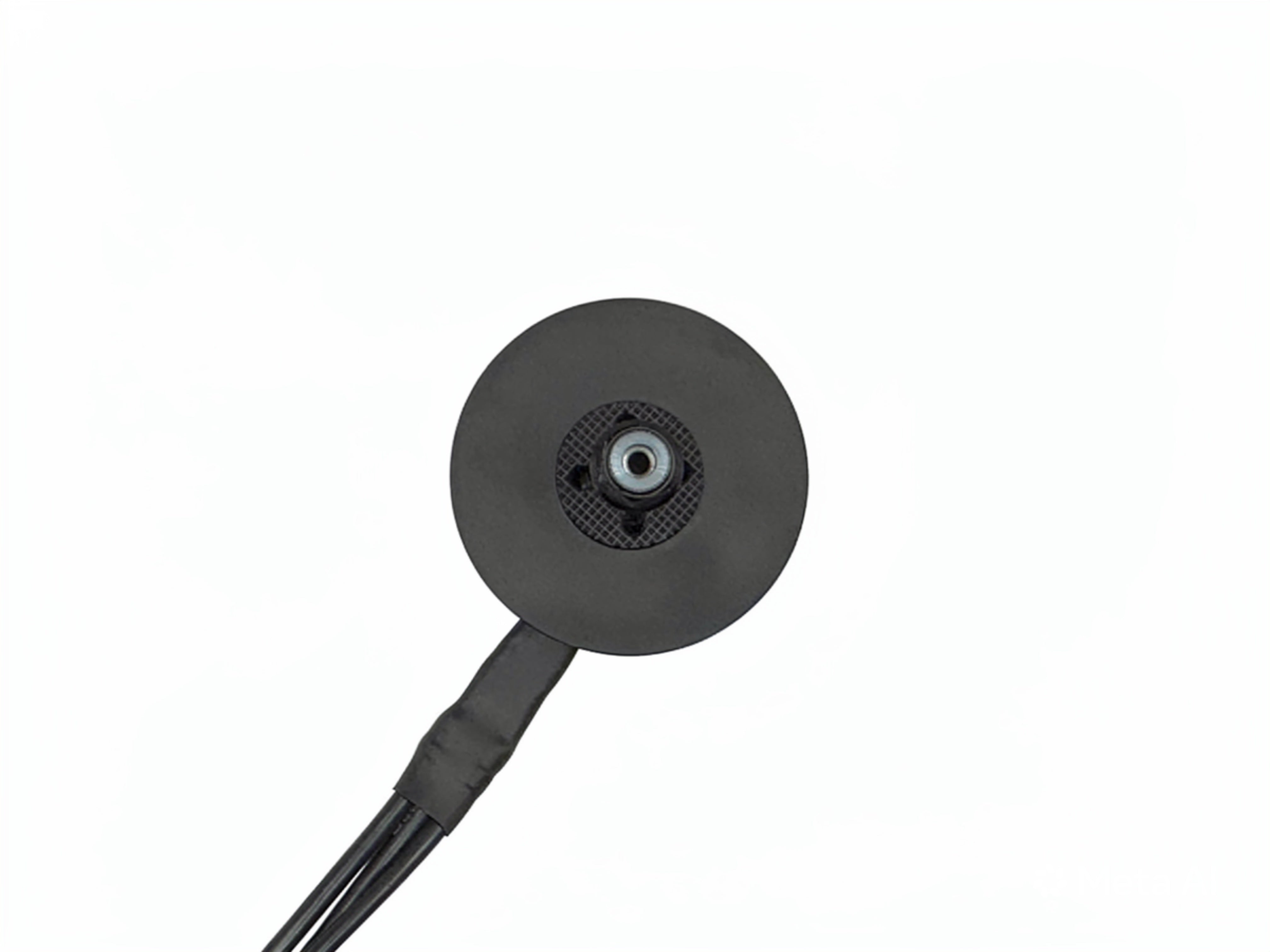
The top of the bell carries an integrated impeller - essentially a structural centrifugal fan built into the motor. As the motor spins, it draws air upward through intake holes in the finned aluminum base, pulls it across the stator and windings, and expels it radially at the top. The base fins act as a heatsink, pulling stator heat out before it accumulates.
Rain? To get inside, water would have to travel a rather convoluted path, against the direction of high-velocity airflow. FPV motors are naturally waterproof due to enamel coated winds but it's still inconvenient to get liquid inside the bell.
The 3215 Went to the Dentist and Came Back Better
The Cavity 4012 isn't a replacement for the 3215 in the sense of fitting the same hole. It is what a 3215 would be if someone had asked, from the start, "what shape should this physics actually be?" and then had the manufacturing infrastructure to build the answer. optimized stator volume. More torque per amp. Lower winding resistance. Active impeller cooling. A sealed bell that laughs at crash debris. Similar in weight to a 3215, and a name that makes everyone who hears it do a small double-take.
Designed by humans. Optimized by AI. Tested in the real world. Filed under: things that probably shouldn't work this well but do.
Let customers speak for us

Fantastic products and phenomenal shipping speed. The descriptive use information is a nice touch knowing these products have been tested.

love it, with 40amp aio on 2004 3000kv motors makes it super spicy running 1s walksnail avatar and hdzero eco vtx

Looks great and flies awesome. Durable also.
Awsome frames big enough for 3.6inch props

Love this store!

Awesome frame

Love these a great
These bells are great!!!
Great motors, lots of extra wire for all applications. 2mm shaft is awesome.

Pretty impressive
Great products. Really fine tuned and consistently high quality
Bells are extremely durable perfect for bando bashing buy once cry once kinda thing only thing you may need to replace is the stator. I will continue to glaze these motors. 10/10

Watched a few build videos and was impressed. I'm looking forward to building one of my own. Still waiting for a few parts before I can get started.

If you're here, you already know that these are the best 13mm motors ever made. I buy them in sets of dozens, because they are worth picking up a lifetime supply. These are the most performant 2s and 3s motors I have ever used, bar none.

Put the 25mms on a demibot with iflight fc+esc and an o4 air unit all in black.
Thanks America your the best.
What customers think about the store
FPVcycle offers high-quality FPV drone parts including motors, frames, and accessories. Customers praise fast shipping, excellent customer service, and premium products. Motors are noted for smoothness, durability, and performance. Frames are lightweight yet s...


